
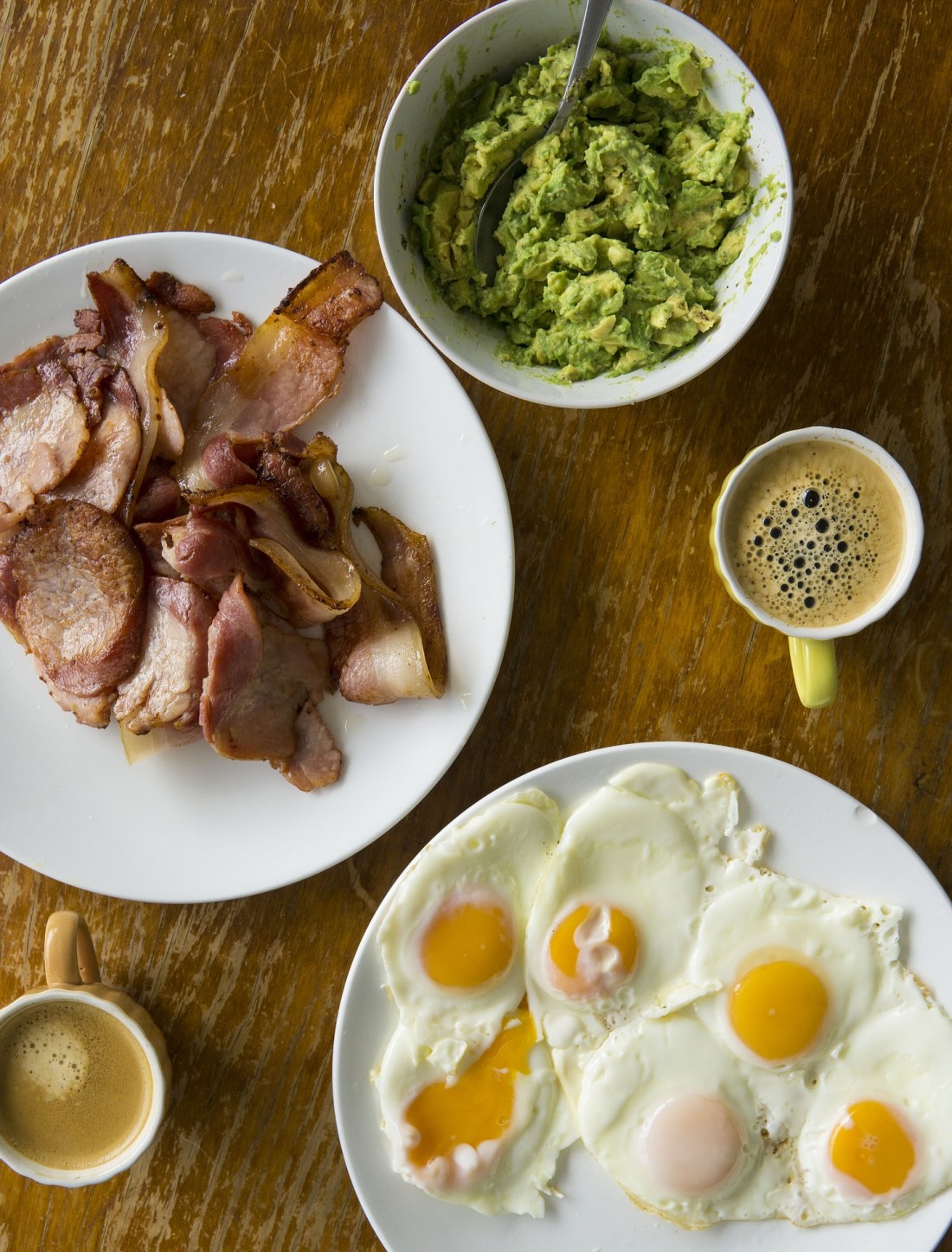
The Keto Diet forces your body to rely on a different type of fuel. It replaces glucose, usually generated from carbohydrates, with ketones produced from the liver’s stored fat resources.
In order for the body to produce ketones, carbohydrate consumption is drastically reduced and proteins must not be over-consumed. Foods with high fat content are preferred.
The idea that Keto is a high protein, low carbohydrate method of weight loss is a misperception. The origins of the Keto Diet was to treat pediatric epilepsy, so a plan to proceed should include caution and a consultation with your physician.
The studies as to its general safety are few and there is evidence that there are risks including an increase in LDL (bad cholesterol), nutritional deficiency, mood swings, constipation, and liver and kidney concerns. These should be carefully weight against the other health concerns associated with obesity.
Those who can endure the rigidity of the food selections and overcome the potential risks have, however, reported successful weight loss with varying degrees of maintenance. Like any life-style change, it requires vigilant rededication.
 Many of us require a lot of discipline in order to lose weight, and I have to admit, that’s not one of my top qualities. However, after diagnoses of high blood pressure and Type 2 Diabetes, controlling my nutrition and weight have become a larger priority.


 Hangry Fitness Mom